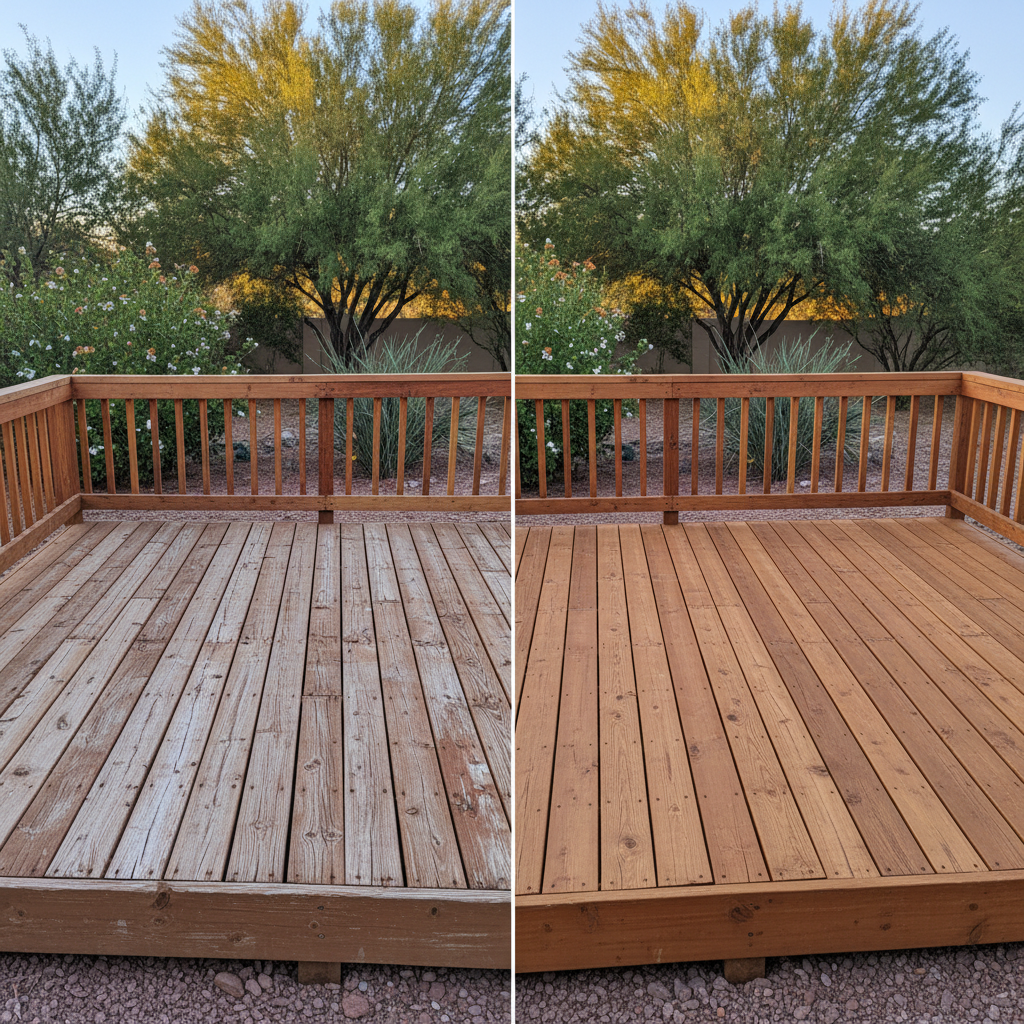
Your deck's looking a bit tired, huh? Maybe a few rotten boards, some wobbly railings, or just that general worn-out look. When you're staring at it, you've got two main thoughts: can I just patch this thing up, or am I looking at a full-blown rebuild? It's a common question here in Apache Junction, especially with our intense sun and monsoon season beating down on everything.
I've seen plenty of decks in this town, from the older ones in Gold Canyon to the newer builds near the Superstition Mountains. Knowing which way to go can save you a lot of headache and money down the line. Let's break down the two options.
Option 1: Patching and Repairing Your Existing Deck
This is usually the first thing folks think about because it sounds cheaper, right? And sometimes, it absolutely is. If your deck's bones—the frame, the posts, the ledger board connecting it to your house—are solid, then patching can be a smart move.
When Patching Makes Sense:
- Localized Damage: You've got a few rotten deck boards, maybe a railing post that's seen better days, or some loose steps. The damage isn't widespread.
- Good Foundation: I can't stress this enough. If your deck's structure is good—meaning the joists, beams, and footings are sound—then replacing just the surface or a few components is totally viable. We'll check for rot, insect damage (termites love our climate), and proper fasteners.
- Budget Constraints: Sometimes, you just need to get a few more years out of it without breaking the bank. Patching can extend its life until you're ready for a bigger investment.
The Downsides of Patching:
- Appearance Mismatch: You're replacing old, weathered boards with new ones. They're not going to match perfectly, especially if you're using natural wood. Even with staining, you'll often see a difference. It'll eventually blend, but it's noticeable at first.
- Hidden Problems: You fix one spot, and six months later, another problem pops up. Sometimes, what looks like minor damage is just the tip of the iceberg. This is where experience counts; we can usually spot those deeper issues during an inspection.
- Limited Lifespan Extension: You're only fixing the immediate problem. The rest of the deck is still aging. You might get a few more years, but it's not a long-term solution if the overall structure is tired.
Option 2: Full Deck Rebuild
This sounds like a big undertaking, and it can be, but often it's the more cost-effective and safer option in the long run. A full rebuild means tearing everything down to the foundation (or even replacing the foundation if needed) and starting fresh.
When a Rebuild is Your Best Bet:
- Widespread Damage: If more than 25-30% of your deck boards are bad, or if you've got significant rot in the joists, beams, or posts, a rebuild is usually the way to go. Trying to patch that much is like putting a band-aid on a gushing wound.
- Structural Issues: This is non-negotiable. If your deck is wobbly, leaning, or if the ledger board isn't properly attached to your house (a common culprit for deck collapses), you need a rebuild. Safety first, always.
- Outdated Design or Materials: Maybe your deck is small, doesn't flow well with your yard, or was built with less durable materials. A rebuild lets you totally redesign, upgrade to composite decking that stands up better to our Arizona sun, or add features like built-in seating or lighting.
- Long-Term Value: A new deck adds significant value to your home and gives you confidence for decades. You're not just fixing a problem; you're investing in your property and your enjoyment of it.
The Downsides of a Rebuild:
- Higher Upfront Cost: No surprise here. Tearing down and building new costs more initially than just patching.
- Time and Disruption: It takes longer, and you'll have contractors on your property for a while. We do our best to minimize the disruption, but it's still a construction project.
My Recommendation for Apache Junction Homeowners
Here's the deal: for most folks here in Apache Junction, especially with our dry heat and occasional heavy rains that can really get into wood, I lean towards a rebuild if there's any significant structural concern or widespread rot. Why?
First, safety. I've seen what happens when decks fail, and it's not pretty. Second, durability. Patching often feels like you're just delaying the inevitable. You fix one spot, and then another area that's been exposed to the same harsh elements starts to go. With a rebuild, you get to choose modern, more resilient materials like high-quality composite decking that can handle our 115-degree summers and won't splinter or rot. You'll spend less time on maintenance and more time enjoying your outdoor space.
Now, if it's truly just a couple of surface boards, or maybe a single railing post that got damaged in a windstorm, then patching is fine. But if you're looking at multiple areas of rot, a shaky feel, or if your deck is just plain old and tired, save yourself the future headaches. A rebuild gives you a fresh start, a safer structure, and a deck that'll look great and last for years. It's an investment, sure, but it's one that pays off in enjoyment and home value.
The best thing to do? Have a pro take a look. We at Apache Junction Deck Builders can come out, inspect your deck, and give you an honest assessment of what's truly needed. We'll tell you if a patch job is genuinely sufficient or if it's time to consider a more comprehensive solution. No pressure, just good, honest advice.