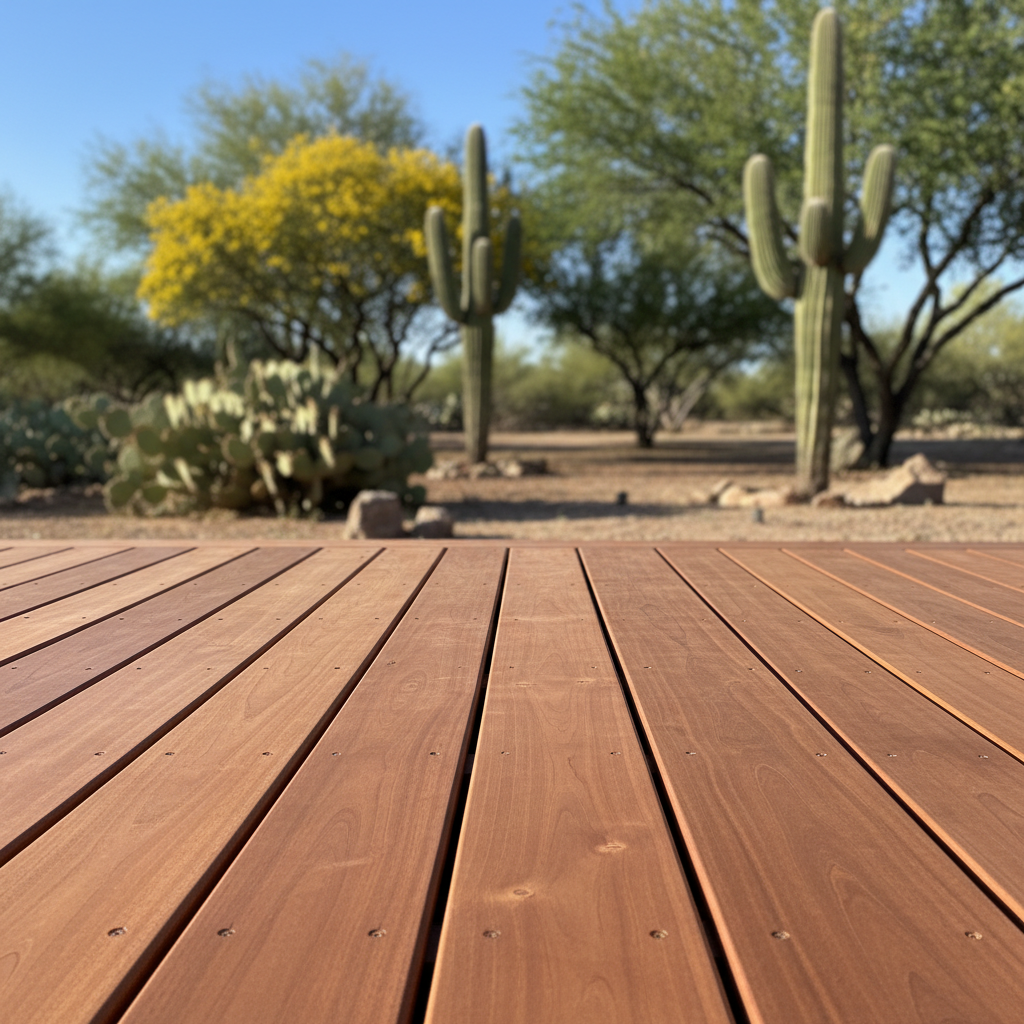
What's the best wood for a deck in Apache Junction?
Look, I get this question all the time. Folks want to know what'll hold up to our brutal summers and occasional monsoons. For wooden decks, you've got a few solid choices, but they all come with trade-offs. Pressure-treated pine is probably the most common because it's affordable and readily available. It's treated to resist rot and insects, which is a big deal out here. The downside? It can warp, crack, and splinter if you don't maintain it religiously with staining and sealing. It's also not the prettiest wood, usually a greenish tint when new.
Then you've got cedar or redwood. These are naturally resistant to rot and insects because of their oils. They look fantastic, especially cedar with its rich color. They're lighter and easier to work with than pressure-treated lumber, too. The catch? They're more expensive up front, and while they resist rot, they still need regular sealing to prevent graying and checking from our intense sun. I've seen plenty of beautiful cedar decks around Gold Canyon that, without proper care, start looking pretty rough after a few years.
Exotic hardwoods like Ipe or Tigerwood are the Cadillac option. They're incredibly dense, durable, and naturally resistant to everything – rot, insects, even fire. They last forever, practically. But man, they're expensive, hard to work with (you often need special tools), and they get scorching hot underfoot in the summer sun. If you've got the budget and want something that'll outlast you, they're great, but for most folks, it's overkill.
How often do I need to seal or stain my wooden deck?
This isn't a one-size-fits-all answer, but generally, you're looking at every 1-3 years. It really depends on the type of wood, the product you used last time, and how much sun and weather your deck gets. A deck facing south with no shade is going to need more frequent attention than one tucked away under a patio cover.
The best way to tell? Do the water test. Sprinkle a little water on your deck. If it beads up, your sealer's still doing its job. If it soaks right in and darkens the wood, it's time to reseal or restain. Don't wait until the wood looks faded and cracked; by then, you're doing damage control, not just maintenance. It's like changing the oil in your truck – you do it to prevent bigger problems down the road.
Can I build a wooden deck directly on the ground?
You shouldn't. Not if you want it to last, anyway. Building a wooden deck directly on the ground, especially in our desert soil which can get surprisingly damp during monsoon season, is just asking for trouble. You'll trap moisture against the wood, inviting rot, mold, and termites. Even pressure-treated wood isn't designed for constant ground contact over its entire surface.
You need proper ventilation underneath your deck to allow moisture to escape and air to circulate. We always recommend concrete footings that extend below the frost line (even though our frost line is pretty shallow here in Apache Junction, it's good practice) and elevate the deck structure at least 6-8 inches off the ground. This keeps the wood dry and away from pests. It's a foundational step that pays off big time in the long run.
What about termites? Are they a big problem for wooden decks here?
Oh yeah, termites are definitely a thing in Apache Junction. They're not just a problem for decks; they're a problem for anything made of wood that's near the ground. Subterranean termites are the main culprits here, and they're always looking for a food source, especially if there's any moisture involved.
That's why proper deck construction is so critical. Keeping wood off the ground, using pressure-treated lumber for structural components, and ensuring good drainage around your deck are your best defenses. Regular inspections, both by you and a pest control professional, are also a smart move. If you see mud tubes climbing up your deck posts or any soft, damaged wood, don't ignore it. Get it checked out fast. Apache Junction Deck Builders always builds with pest prevention in mind.
My deck boards are warping/cracking. What went wrong?
Most likely, it's a combination of our intense sun, dry air, and lack of proper maintenance. Wood is a natural material, and it expands and contracts with changes in temperature and humidity. Our extreme temperature swings here, going from 110 degrees in the day to 80 at night, then maybe a sudden downpour, really stress the wood.
If the wood wasn't properly seasoned before installation, or if it wasn't sealed/stained soon after, it's more prone to these issues. The sun just bakes the moisture right out of it, causing it to shrink and crack. Then, when it gets wet, it swells. This constant movement leads to warping and checking. Sometimes, it can also be due to improper fastening – if boards aren't secured well, they'll move more. Regular sealing helps keep the moisture content more stable within the wood, reducing these problems significantly.
Can I just power wash my deck to clean it?
You can, but you need to be careful. A power washer is a powerful tool, and in the wrong hands, it can do more harm than good to your wooden deck. Too much pressure, holding the nozzle too close, or using the wrong tip can etch the wood, raise the grain, and even splinter it. Once you've done that, it's hard to fix.
I recommend starting with the lowest pressure setting and a wide fan tip. Keep the nozzle moving constantly, about 12-18 inches from the surface. For most cleaning, a good deck cleaner solution and a stiff brush, followed by a gentle rinse, is usually enough. If you're going to power wash, practice on an inconspicuous spot first. You want to clean the deck, not strip it bare or damage the fibers.
Do I need a permit to build a deck in Apache Junction?
Yes, you absolutely do. Any new construction or significant alteration to your property, including building a deck, typically requires a permit from the City of Apache Junction's Planning and Zoning Department. This isn't just red tape; it's to ensure that your deck is built safely and to code. They'll check things like setbacks from property lines, structural integrity, and railing heights.
Trying to skip the permit process can lead to big headaches down the road, like fines, having to tear down your deck, or issues when you try to sell your home. It's always best to get the proper permits in place before you start any construction. We handle all the permitting paperwork for our clients, so you don't have to worry about it.
What's the typical lifespan of a wooden deck in our climate?
With proper care and maintenance, a well-built wooden deck in Apache Junction can last anywhere from 15 to 30 years, sometimes even longer for high-quality hardwoods. Pressure-treated pine, if you're diligent with sealing, often hits the 15-20 year mark before you start seeing significant wear. Cedar and redwood can push past 20, especially if they're protected from the harshest sun.
The key is that 'proper care and maintenance' part. Our sun is relentless, and it's the biggest enemy of wood here. If you neglect your deck, letting it go unstained and unsealed for years, you'll be lucky to get 10 years out of it before boards start failing, splintering, and needing replacement. It's an investment, and like any investment, it needs looking after to get the best return.